
If your hairline is thinning or your edges are disappearing, the culprit might be the hairstyles you love most. Traction alopecia is hair loss caused by constant pulling on the hair, and it is one of the few types of hair loss that is largely preventable. The best part is that when it is caught early, it is often reversible.
This guide explains what traction alopecia is, what causes it, how to recognize it, and how to reverse and prevent it before it becomes permanent.
What Traction Alopecia Is
Traction alopecia is hair loss that comes from repeated tension on the hair follicles, not from hormones, genetics, or illness.
Hair Loss From Constant Tension
When hair is pulled tight day after day, the strain damages the follicles at the root. Over time they produce weaker, finer hairs and eventually may stop producing hair in that area. It is a slow process, which is why it often goes unnoticed until the thinning is visible.
Where It Shows Up
Traction alopecia typically appears along the hairline, at the temples, and around the edges, the areas that take the most pulling. You might notice a receding hairline, thinning edges, or short, broken hairs where fuller hair used to be.
What Causes It
Anything that keeps the hair under constant tension can contribute, especially when it is worn day after day.
Tight Hairstyles and Extensions
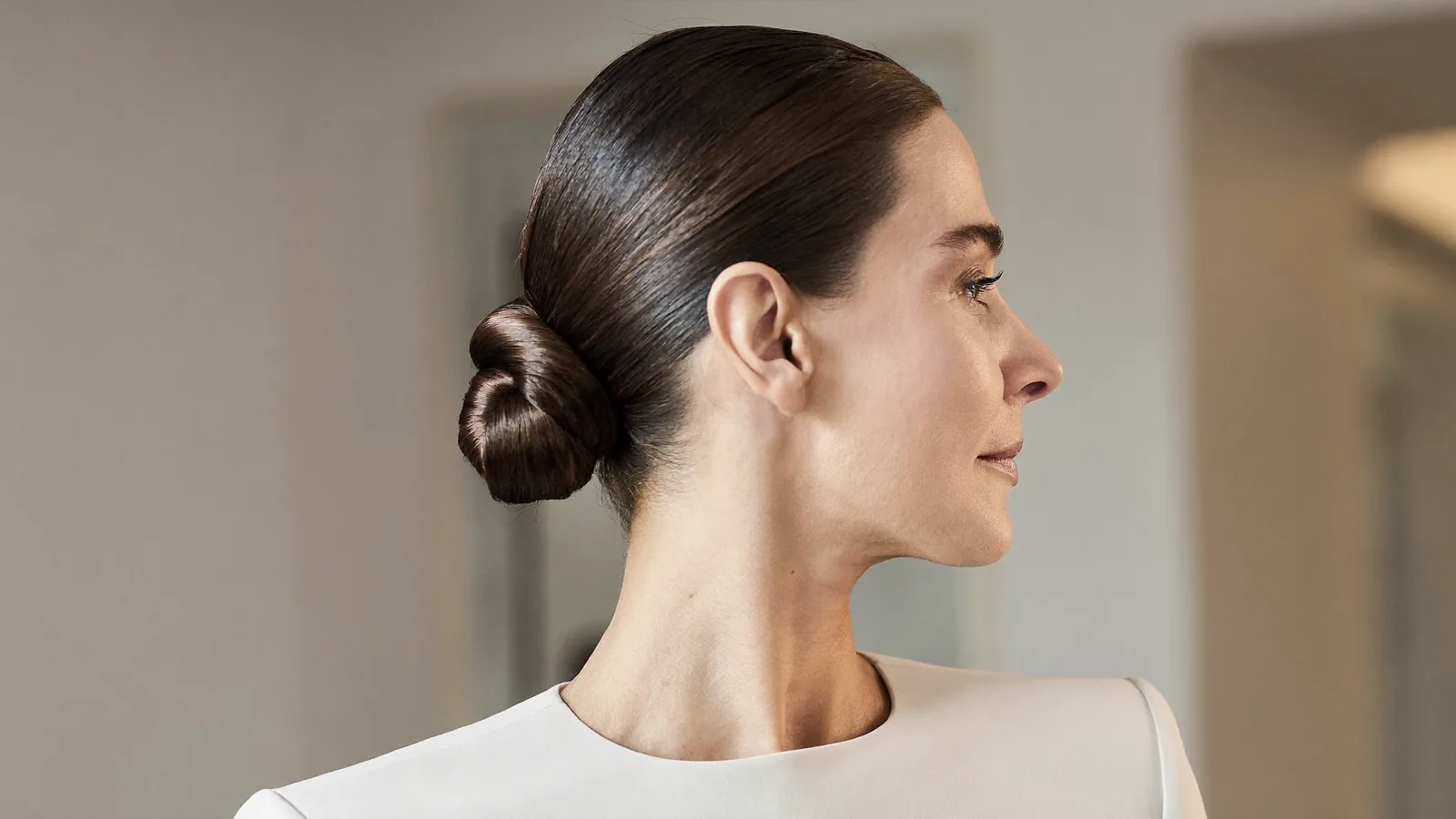
Tight ponytails, buns, braids, cornrows, weaves, and heavy extensions are common causes. The tighter the style and the heavier the added hair, the more strain it puts on your natural hairline.
Everyday Habits That Add Up
It is not only dramatic styles. Wearing the same tight ponytail every day, sleeping in tight styles, or using clips and pins in the same spot can all add up over months and years. Chemical processing that weakens the hair makes the tension even harder on the follicles.
How to Know If You Have It
Catching traction alopecia early is what makes it reversible, so it helps to know the signs.
Early Signs
Early on you may notice tenderness or small bumps along the hairline after a style, a hairline that is creeping backward, or fine, sparse hairs where your edges used to be full. Any of these is a signal to ease off the tension.
When It Becomes Permanent
If the pulling continues for years, the follicles can scar and stop producing hair for good. That is why acting early matters so much, once scarring sets in, that hair will not grow back on its own.
How to Reverse and Prevent It
The good news is that in its early stages, traction alopecia often improves once you remove the cause.
Take the Tension Off
Loosen your styles and choose looser ponytails, braids, and buns. If a style hurts or pulls at your scalp, it is too tight. Give heavy extensions and weaves a rest, and rotate your styles so the same areas are not always under strain.
Give Your Hairline a Break
Wear your hair down or in low-tension styles as often as you can, avoid sleeping in tight styles, and be gentle with your edges. Time and reduced tension are what allow the follicles to recover.
See a Professional Early
If your hairline is not bouncing back, see a dermatologist or a hair professional. Early guidance can protect the follicles you still have and help you avoid permanent loss.
Coverage and Confidence With Studio T
While your hairline recovers, or if the loss is more advanced, you do not have to feel self-conscious about it.
Options for Thinning Areas
A consultation is the best way to find the right coverage for your specific pattern of loss. For thinning at the top and crown, a Studio T Hair Topper adds natural density, and for more extensive loss, a wig offers complete coverage, always fitted to be gentle on fragile areas.
Why European Remy Looks So Natural
Every Studio T topper and wig is made from 100 percent European Remy human hair, hand-matched to your color and cut into your style, so it moves and shines like your own hair and blends seamlessly.

Frequently Asked Questions
Is traction alopecia reversible?
Often, yes, if it is caught early. Once you remove the tension, the follicles can recover. If the pulling has gone on for years and the follicles have scarred, the loss can become permanent, which is why acting early is so important.
What hairstyles should I avoid?
Anything that pulls tightly on your hairline or edges, including tight ponytails, buns, braids, cornrows, and heavy extensions worn day after day. Looser styles and giving your hair regular breaks make a big difference.
How long does it take to grow back?
When it is caught early, many people see improvement over several months of reduced tension. Everyone’s timeline is different, and a professional can give you a clearer picture for your situation.
Can a topper or wig help?
Yes. Studio T pieces provide natural-looking coverage while your hair recovers, and they are fitted to avoid adding tension to already-fragile areas. A consultation is the best way to find the right fit.
Book Your Free Consultation at Studio T Salon
If tight styles have thinned your hairline, you do not have to navigate it alone. Studio T Salon offers free consultations. Send photos of your hair in natural lighting and our team will help you find the right option for where you are right now.
Book a free consultation with Studio T Salon and explore handcrafted Studio T Hair Toppers and wigs made to look and feel like your own hair.


